
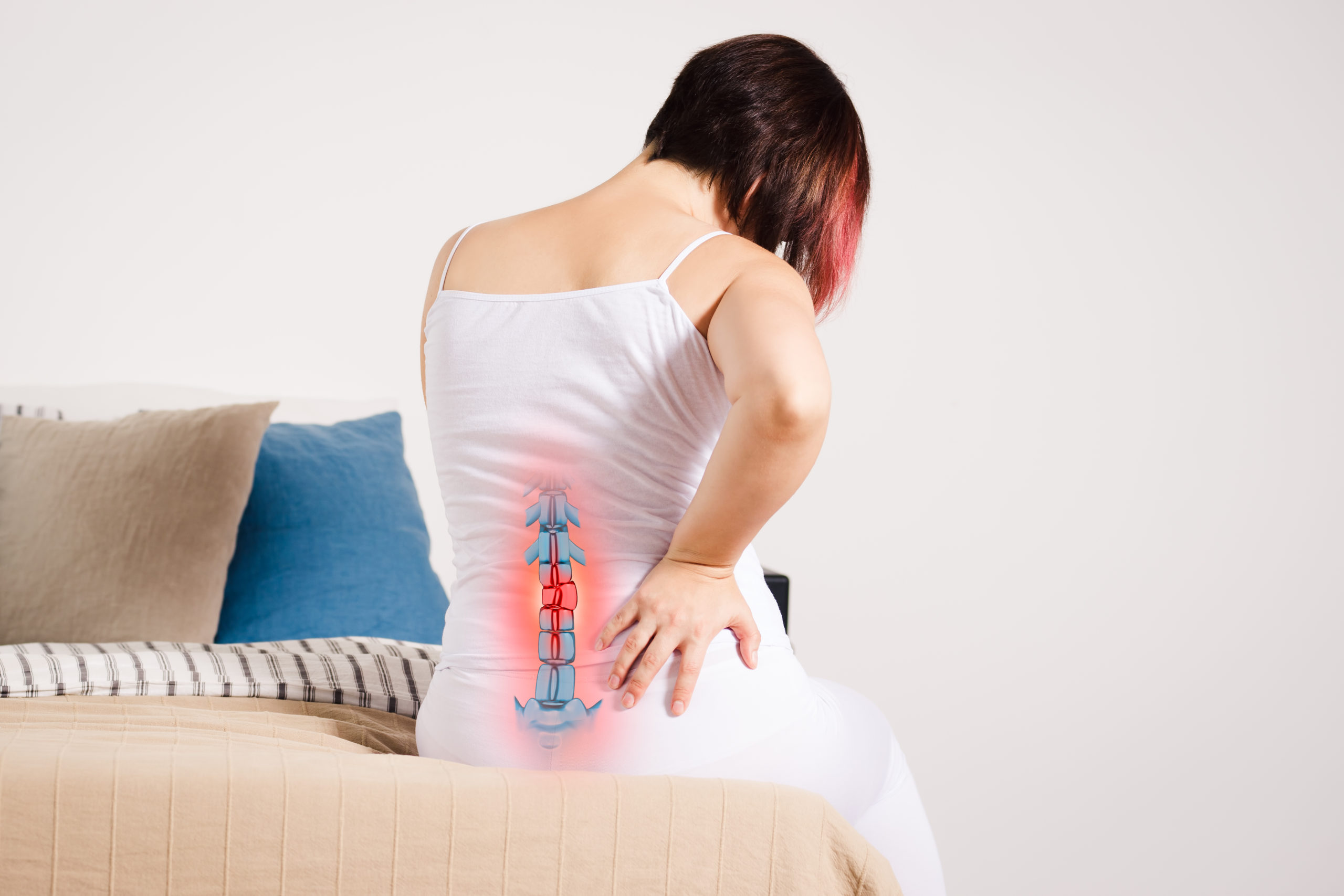
Back pain has a way of disrupting life far beyond the discomfort itself. Sitting through meetings becomes difficult, getting out of bed feels like a challenge, and even simple tasks like bending to tie your shoes can trigger sharp pain. When an MRI mentions a “slip disc,” it’s natural to worry that surgery is the only solution.
The reality is often far more reassuring. Most people diagnosed with a slipped disc do not require surgery. With the right diagnosis, activity modification, and a structured slip disc treatment plan, many recover successfully through conservative care. One of the most effective approaches is physiotherapy for slip disc treatment, which focuses on relieving pain, restoring movement, and preventing future episodes. At HealthSpace, our physiotherapists work closely with patients to comprehend the root cause of their symptoms and create personalised rehabilitation plans that support long-term recovery.
What Is a Slip Disc?
Despite the name, a disc doesn’t actually “slip” out of place. Each disc has a soft centre surrounded by a tougher outer layer.
When the outer layer weakens or develops a tear, part of the inner material may bulge or protrude.
This condition may also be referred to as a herniated disc, prolapsed disc, or disc bulge.
What Causes a Slip Disc?
A slipped disc rarely happens because of one sudden movement alone.
Some common contributing factors include:
Repetitive Lifting
Improper lifting techniques, especially when combined with twisting movements, significantly increase spinal load.
Excess Body Weight
Additional weight places greater pressure on the lower back during everyday activities.
Sudden Physical Exertion
Starting strenuous activities without adequate conditioning may overload the spine and surrounding muscles.
Common Symptoms of a Slipped Disc
People commonly experience:
- Lower back or neck pain
- Pain radiating into the buttocks, legs, or arms
- Tingling or numbness
- Muscle weakness
- Pain that worsens while coughing, sneezing, or sitting for prolonged periods
- Difficulty bending, standing, or walking comfortably
What most people don’t realise is that the size of the disc bulge doesn’t always determine the amount of pain. Some individuals with large disc bulges have minimal symptoms, while others with smaller bulges may experience significant discomfort.
Does Every Slip Disc Need Surgery?
This is one of the biggest misconceptions surrounding spinal injuries.
The answer is no.
In fact, many slipped discs gradually improve over time as the body naturally reduces inflammation and adapts to the injury. Clinical guidelines recommend conservative treatment as the first line of management for most patients unless there are serious neurological symptoms such as significant muscle liability, loss of bladder or bowel control, or severe nerve compression requiring urgent medical intervention.
This is where physiotherapy for slip disc treatment plays a crucial role.

How Physiotherapy Helps Slip Disc Treatment
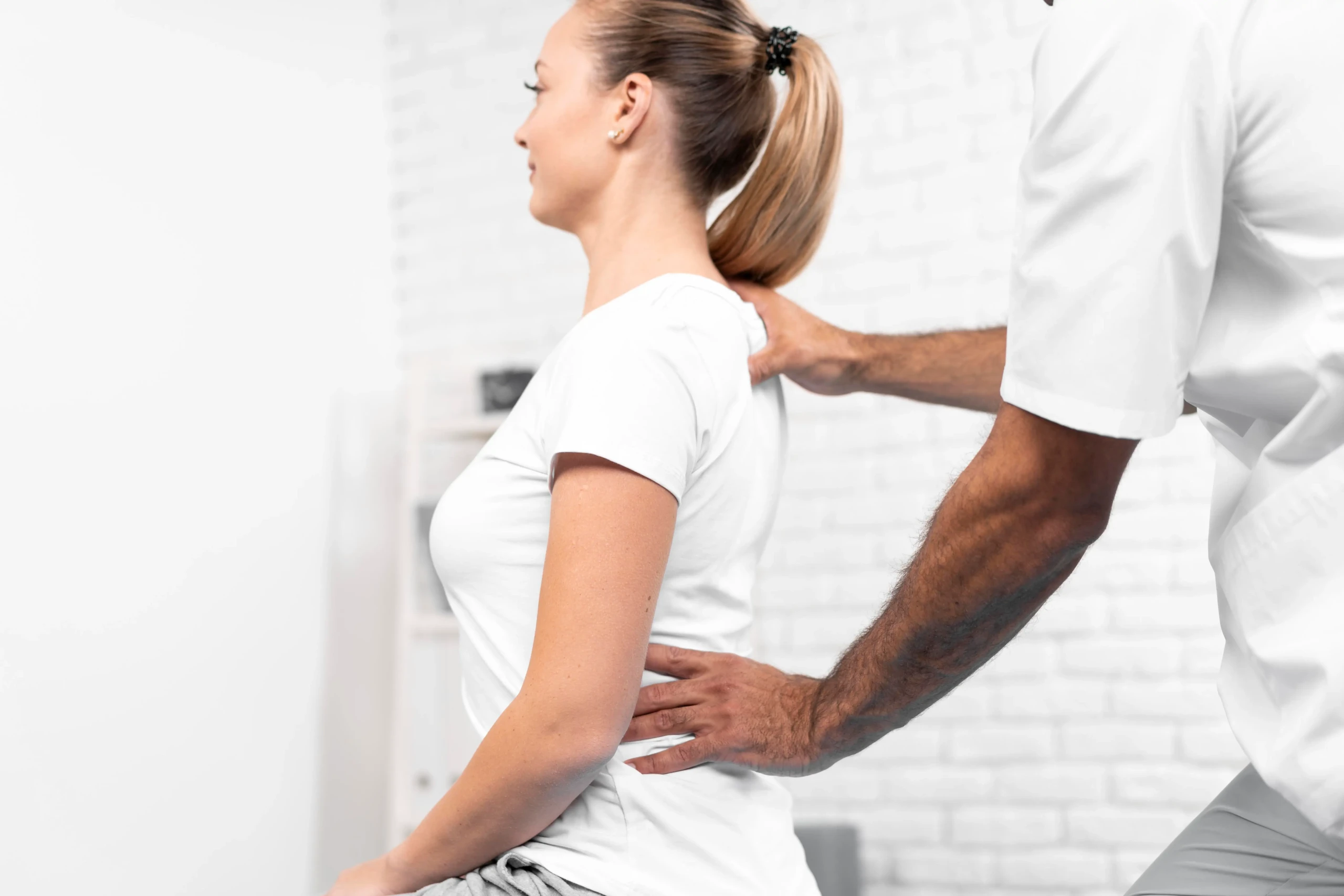
Physiotherapy isn’t simply about prescribing exercises. A comprehensive rehabilitation programme addresses pain, movement, posture, muscle strength, and the mechanical factors contributing to the condition.
An experienced Physiotherapist in South Mumbai begins with a detailed review to comprehend the source of symptoms rather than focusing solely on MRI findings.
Treatment typically includes several components.
Pain Relief Techniques
Manual therapy, soft tissue mobilisation, and guided movement strategies help reduce muscle tension and improve mobility during the early stages of recovery.
Depending on individual needs, physiotherapists may also use evidence-based modalities to support pain management.
Movement Correction
Many people unknowingly adopt protective movement patterns that increase strain on other areas of the spine.
Physiotherapy helps restore natural movement while reducing unnecessary stress on injured tissues.
Core Strengthening
The muscles surrounding the spine act as its natural support system.
Strengthening the core improves spinal stability, reduces pressure on the discs, and lowers the risk of future injuries.
Flexibility Training
Tight hamstrings, hip muscles, and lower back tissues often contribute to spinal stress.
Improving flexibility allows the body to move more efficiently with less strain.
Posture Education
In our experience, posture alone isn’t usually the sole cause of a slipped disc, but prolonged poor sitting habits can certainly aggravate symptoms.
Learning better sitting, standing, and lifting techniques becomes an important part of recovery.
Gradual Return to Activity
Complete bed rest is rarely recommended today.
Instead, physiotherapists guide patients through a gradual increase in movement, helping the spine heal while maintaining strength and function.
Best Physiotherapy Exercises for Slip Disc Recovery
Exercise programmes should always be individualised, as different types of disc injuries respond differently. However, commonly prescribed exercises may include:
Pelvic Tilts
Gentle pelvic movements improve lower back mobility and activate deep core muscles.
McKenzie Extension Exercises
For selected patients, extension-based exercises can help reduce pain radiating down the leg by encouraging centralisation of symptoms.
These should only be performed after professional assessment.
Core Activation Exercises
Exercises such as abdominal bracing strengthen the muscles that stabilise the spine without placing excessive stress on injured tissues.
Hamstring Stretch
Gentle stretching reduces tension on the pelvis and lower back, improving overall mobility.
Walking
One of the simplest yet most effective rehabilitation activities, walking improves circulation, maintains mobility, and supports healing without excessive spinal loading.
Here’s where things get interesting. Recovery isn’t about avoiding movement altogether. Research consistently shows that appropriately guided movement often leads to better outcomes than prolonged inactivity.
Lifestyle Changes That Support Recovery
Physiotherapy works best when combined with healthy daily habits.
Simple adjustments include:
- Avoid prolonged sitting without regular movement breaks.
- Maintain a healthy body weight.
- Sleep on a supportive mattress.
- Stay physically active within comfortable limits.
- Continue strengthening exercises even after symptoms improve.
These habits help reduce repeated stress on the spine and lower the chances of recurrence.
When Should You Seek Professional Help?
Back pain should never be ignored if it continues to worsen or begins affecting daily activities.
You should consult a healthcare professional if:
- Pain persists for more than a few weeks.
- Pain radiates into the leg or arm.
- You experience numbness or muscle weakness.
- Daily activities become increasingly difficult.
- Symptoms continue returning despite self-care.
An experienced Physiotherapist in South Mumbai can thoroughly assess your condition and determine whether conservative treatment is appropriate or further medical evaluation is needed.
Final Thoughts
A slipped disc diagnosis can feel overwhelming, but it doesn’t automatically mean surgery is inevitable. In fact, many people recover successfully through personalised slip disc treatment that focuses on restoring movement, reducing pain, and strengthening the body for long-term spinal health.
At HealthSpace, our approach to physiotherapy for slip disc treatment goes beyond symptom management. We determine the factors contributing to your condition, guide you through evidence-based rehabilitation, and help you regain confidence in your everyday movements. If persistent back pain is limiting your quality of life, seeking expert physiotherapy early can make a significant distinction in your recovery and help you return to the activities you enjoy with greater comfort and confidence.

