

The first few steps out of bed shouldn’t be the hardest part of your day. Yet, for many people, that sharp pain under the heel every morning becomes a frustrating routine. Some try changing footwear, others rely on painkillers or simply hope the discomfort will disappear on its own. Unfortunately, heel pain caused by plantar fasciitis rarely resolves without addressing the underlying cause.
If you’ve been searching for effective plantar fasciitis treatment, it’s important to understand that the condition isn’t just about inflammation. In many cases, it’s the result of repeated stress, tight muscles, poor foot mechanics, or changes in daily activity. The good news is that with the right diagnosis and a structured rehabilitation plan, most people recover well without surgery. At HealthSpace, our physiotherapists focus on identifying the root cause and creating personalised treatment plans that help patients return to pain-free movement.
What Is Plantar Fasciitis?
The plantar fascia is a wide network of connective tissue that operates from your heel bone to the base of your toes. It acts as a natural shock absorber, supporting the arch of your foot during walking, running, and standing.
When this tissue is repeatedly overloaded, small tears can develop, leading to irritation and pain. While the condition is commonly referred to as inflammation, many long-standing cases involve degeneration of the tissue rather than active inflammation. This is one reason why simply resting or taking medication often provides only temporary relief.
What Causes Plantar Fasciitis?
Plantar fasciitis usually develops gradually rather than after a single injury. In our experience, it’s often a combination of factors rather than one specific cause.
Some of the most common causes include:
Overuse and Repetitive Stress
People who spend long hours standing, walking, or running place repeated stress on the plantar fascia. Teachers, healthcare professionals, retail workers, and fitness enthusiasts commonly experience this problem.
Tight Calf Muscles
Little flexibility in the calf muscles and Achilles tendon improves the pressure on the plantar fascia with every step.
Poor Foot Mechanics
Flat feet, high arches, or irregular walking habits can alter how pressure is distributed across the foot, making the plantar fascia work harder than it should.
Unsupportive Footwear
Shoes with worn-out soles or insufficient arch support fail to absorb impact properly, increasing stress on the heel.
Sudden Increase in Activity
Starting a new exercise routine, increasing running distance, or spending significantly more time on your feet can overload the tissue before it adapts.
Weight Changes
Additional body weight increases the load placed on the plantar fascia throughout the day, especially during walking and climbing stairs.
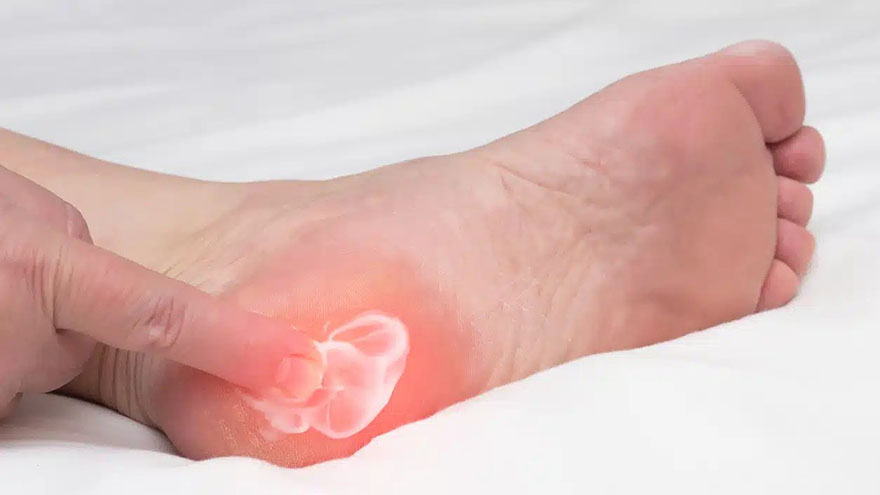
Common Symptoms of Plantar Fasciitis
The symptoms often follow a predictable pattern.
You may notice:
- Sharp pain underneath the heel when taking the first few steps in the morning
- Pain after long periods of sitting or inactivity
- Discomfort that improves slightly after walking but returns after prolonged standing
- Tenderness when pressing on the inside of the heel
- Stiffness in the foot, especially after exercise
What most people don’t realise is that continuing to “walk through the pain” can prolong recovery and increase strain on surrounding muscles and joints.
Why Early Treatment Matters
Many people assume heel pain will eventually settle on its own. While mild cases sometimes improve with activity modification, persistent symptoms often lead to compensatory walking patterns.
Over time, this may contribute to:
- Knee pain
- Hip discomfort
- Lower back pain
- Reduced physical activity
- Declining overall mobility
Seeking early physiotherapy for plantar fasciitis treatment helps address the underlying movement issues before they affect other parts of the body.
How Physiotherapy Helps Plantar Fasciitis Treatment
Unlike treatments that focus only on relieving symptoms, physiotherapy aims to improve the way your foot functions during everyday movement.
A skilled Physiotherapist in South Mumbai will begin with a detailed assessment to understand why your plantar fascia is under excessive stress.
Treatment may include:
Pain Management
During the early stages, physiotherapists use techniques such as manual therapy, soft tissue mobilisation, and targeted modalities to reduce pain and improve tissue healing.
Stretching Tight Structures
Testing the calf muscles and plantar fascia helps reduce excessive tension on the heel.
Strengthening Weak Muscles
Supporting the small muscles of the foot, ankle, and lower leg improves arch support and reduces the risk of future strain.
Gait Analysis
Walking patterns often reveal hidden movement problems that contribute to recurring heel pain. Correcting these patterns can significantly improve recovery.
Footwear Advice
Simple footwear modifications or orthotic recommendations can reduce pressure on the plantar fascia during everyday activities.
Activity Modification
Rather than stopping all exercise, physiotherapists guide patients on how to stay active while allowing the tissue to recover.
Best Physiotherapy Exercises for Plantar Fasciitis Treatment
Exercise plays a key role in long-term recovery. However, performing the right exercises at the right stage is important.
1. Plantar Fascia Stretch
Sit comfortably and travel one foot over the opposite knee.
Pull your toes gently towards your shin until you feel a stretch along the sole of your foot.
Hold for 20 to 30 moments and repeat several times.
2. Calf Stretch Against the Wall
Stand facing a wall with one leg after the other.
Keep your back knee straight and your heel on the floor while leaning forward.
This stretches the gastrocnemius muscle, reducing stress on the plantar fascia.
3. Towel Stretch
Before reaching out of bed, loop a towel about the ball of your foot.
Pull gently towards yourself while keeping the knee straight.
This can reduce the sharp morning pain that many people experience.
4. Toe Curls
Place a towel on the bed and use your toes to scrunch it towards you.
This supports the intrinsic muscles of the foot, helping support the arch naturally.
5. Heel Raises
Stand while holding a stable surface.
Slowly rise onto your toes and lower yourself with control.
Progressing this exercise gradually improves calf strength and load tolerance.
6. Balance Exercises
Standing on one leg helps strengthen the muscles responsible for foot stability and improves overall balance.
Here’s where things get interesting. Recovery isn’t just about stretching the painful area. Research consistently shows that strengthening exercises are equally important because they improve tissues’ ability to withstand everyday loads.

Everyday Tips to Prevent Recurrence
Recovery doesn’t end when the pain disappears. Long-term foot health depends on maintaining good habits.
Consider these simple strategies:
- Wear supportive footwear regularly.
- Replace worn-out athletic shoes.
- Warm up before exercise.
- Increase physical activity gradually.
- Maintain calf flexibility.
- Avoid standing for prolonged periods without breaks.
- Continue strengthening exercises even after symptoms improve.
Small lifestyle adjustments often make a significant difference in preventing future episodes.
When Should You See a Physiotherapist?
If your heel pain has endured more than two weeks, keeps returning, or is affecting your daily activities, professional assessment is recommended.
Delaying treatment may lead to chronic symptoms that take longer to resolve. A qualified Physiotherapist in South Mumbai can identify contributing factors that aren’t always obvious, ensuring your treatment is tailored to your exact requirements rather than relying on generic advice.
Final Thoughts
Heel pain can gradually interfere with everything from your morning walk to your workday and favourite activities. The encouraging news is that most cases respond well to a personalised plantar fasciitis treatment plan that combines pain management, movement correction, strengthening, and education.
At HealthSpace, we believe effective recovery goes beyond temporary pain relief. By understanding why the condition developed in the first place and addressing those underlying causes, our team provides comprehensive physiotherapy for plantar fasciitis treatment that supports lasting recovery. If persistent heel pain is affecting your quality of life, seeking expert guidance early can help you return to comfortable, confident movement sooner.

